Spend Smart, Save Smart: A Room-by-Room Guide to Knowing Which Furniture Is Worth the Splurge

Here's a truth that nobody in the furniture world really wants to say out loud: spending more money doesn't always mean getting more value. And spending less doesn't always mean you're being smart. The real skill — the one that separates people who love their homes from people who are perpetually frustrated by them — is knowing when to open the wallet wide, when to shop the sale rack, and when to just... wait.
Let's break it down practically, room by room, piece by piece.
Start with a Simple Formula: Cost Per Day
Before we get into specifics, here's a quick mental tool that changes the way you think about furniture pricing. Take the price of the item, divide it by how many days you expect to own it, and you've got your cost per day.
A $2,000 bed frame that lasts 15 years costs you about 36 cents a day. A $400 trendy accent chair that you're bored of in two years costs you 55 cents a day — and that's before you factor in the environmental and emotional cost of replacing it.
Suddenly, the "expensive" option looks a lot more reasonable. And the "deal" doesn't look quite so dealish.
This lens — cost per use, cost per day, cost over lifespan — should guide every single furniture purchase you make.
Always Splurge: The Pieces You Use Every Single Day
Your bed and bed frame. You spend roughly a third of your life in bed. If you're 35 years old and buy a quality bed frame today, you might be sleeping in it until you're 55 or beyond. That's 20 years of nightly use. A well-made solid wood or metal frame in the $800–$1,500 range will outlast three or four cheap alternatives and won't wobble, squeak, or warp on you at 2 a.m.
Don't skimp on your mattress, either. This is arguably the single most important purchase in your entire home. The cost-per-night math on a quality mattress is almost always favorable compared to what you'll spend cycling through budget options.
Your primary sofa. If you have a family, a living room sofa takes a beating — daily sitting, movie nights, kids, pets, the occasional nap. A sofa in a high-use space should be built to last. Look for hardwood frames, eight-way hand-tied springs, and performance fabrics if you've got kids or pets. Yes, you'll pay more upfront. But a sofa that's still looking great in year eight beats one that's sagging and pilling by year three.
Your dining table. This one surprises people, but think about it: a dining table is one of the few pieces that sees daily use and serves as the social center of your home. It's where homework happens, where holidays are hosted, where difficult conversations and celebratory dinners both take place. A solid wood table with good joinery is worth every penny.
Smart Saves: Where Budget-Friendly Actually Makes Sense
Accent chairs and side tables. Here's where trends do their worst damage to your wallet — if you let them. That sculptural chair in a bold color might be gorgeous right now, but interior design trends move in roughly five-to-seven-year cycles. Buying a $900 statement accent chair is a gamble. Buying a $250 version of the same vibe? That's a smart play. When you're ready for something new, you haven't lost much.
Guest bedroom furniture. Unless you're running a bed and breakfast, your guest room probably gets used a handful of times a year. A well-chosen budget bed frame and dresser from a reliable retailer is completely appropriate here. Put your energy (and dollars) toward making the room feel welcoming — good bedding, decent lighting, a thoughtful nightstand — rather than blowing your budget on furniture that spends 350 days a year unoccupied.
Bookshelves and storage units. Basic shelving is one of those categories where mid-range often hits a sweet spot. You don't need heirloom-quality bookcases unless they're built-ins or a major design feature. A solid, clean-lined shelf from a reputable mid-market brand will do the job beautifully without demanding a premium price.
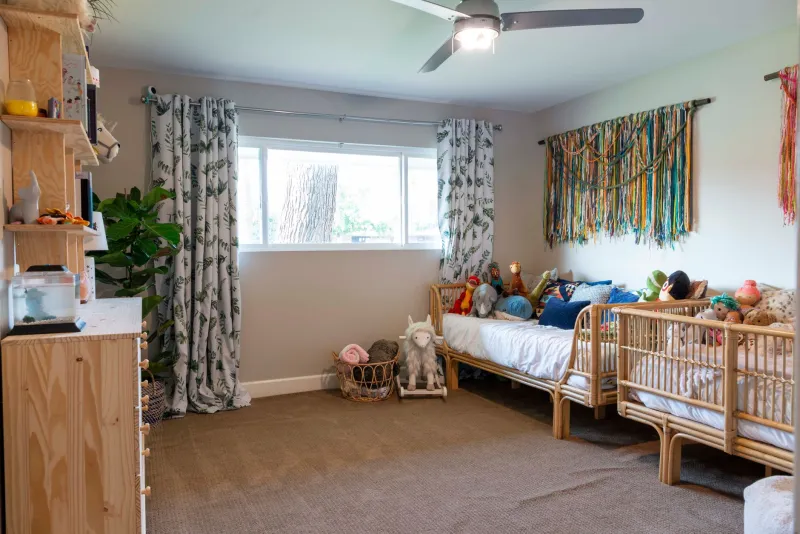
Kids' room furniture. Children grow. Their taste changes. Their rooms evolve. Spending top dollar on a toddler bedroom set that your kid will be embarrassed by at age nine is just not the play. Go functional, go durable enough, and save your investment dollars for the adult spaces in your home.
When to Wait It Out
This might be the most underrated category of all: the furniture you shouldn't buy yet.
When you've just moved. Give yourself at least three to six months before making major furniture purchases in a new home. You need to actually live in the space — feel how the light moves, understand which rooms you use more than you expected, figure out where you actually want to sit. Buying a big sectional before you've lived in a living room is how people end up with a couch that blocks the natural flow of the entire floor plan.
When your life is actively changing. Expecting a baby? Thinking about a renovation? Planning to move in a year or two? These are all "wait it out" moments for big-ticket items. Buying a statement dining table six months before a kitchen remodel that might change the entire room's dimensions is a recipe for regret.
When you're shopping emotionally. We've all been there — stressed, restless, scrolling through furniture sites at midnight because buying something feels like taking control. That's not the moment to drop $1,200 on a console table. If you don't have a clear vision of where it goes, what purpose it serves, and how it fits your existing space, wait. The right piece will still be there when you're thinking clearly.
The Cheat Sheet You'll Actually Use
Here's a quick reference to keep in your back pocket:
- Always invest: Mattress, bed frame, primary sofa, dining table, office chair (if you work from home)
- Safe to save: Accent chairs, guest room furniture, kids' furniture, decorative shelving, side tables
- Wait it out: Anything you'd buy in a new home before settling in, anything tied to a life transition, anything you're buying purely because you saw it online and felt a feeling
The Bottom Line
Furniture budgeting isn't about being cheap or being lavish — it's about being intentional. The goal is a home that genuinely works for your life, not one that looks good in theory but costs you more than it should, either in dollars or in daily frustration.
When you match your spending to actual usage patterns, you stop wasting money on the wrong things and start investing it in the pieces that really matter. That's how a home stops feeling like a collection of purchases and starts feeling like a place that was built — thoughtfully, smartly — just for you.