Fix It, Finish It, or Finally Let It Go: How to Know What Your Furniture Is Really Worth Saving
The Furniture in Your Life Has a Resume — Have You Read It Lately?
Most of us have at least one piece of furniture we've been "meaning to fix" for going on three years now. It sits in the corner of the bedroom or doubles as an awkward catch-all in the hallway, quietly waiting for its redemption moment. Maybe it belonged to someone you loved. Maybe you paid a lot for it and can't stomach the idea of walking away. Maybe it just has really good bones.
Here's the honest truth: some furniture absolutely deserves a second life. And some of it is just taking up space — emotionally and literally — while you avoid making a call.
Knowing the difference isn't always obvious, but it's one of the smartest home decisions you can make. So let's break it down.
Start With the Structure, Not the Surface
Before you get attached to the idea of restoring something, check what's actually going on underneath the finish. Surface damage — scratches, dull lacquer, water rings, worn paint — is almost always fixable. Structural damage is a different conversation.
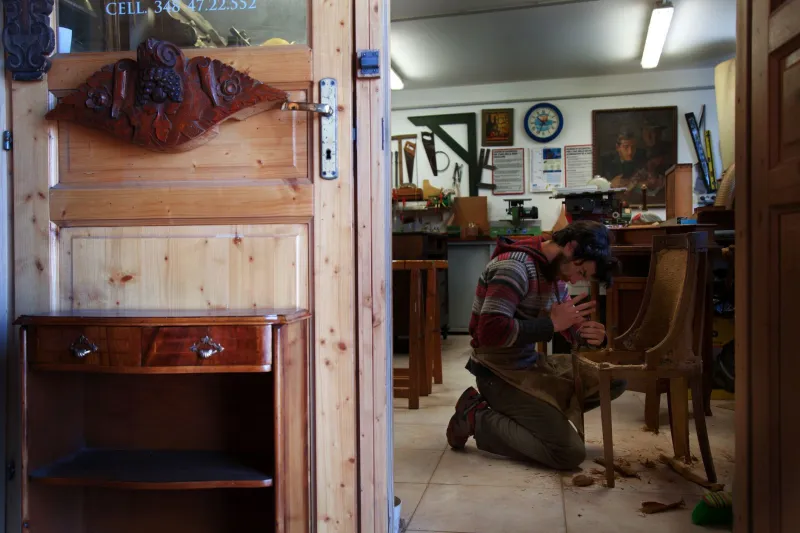
Wobbly joints on a solid wood chair? A furniture repair professional can re-glue and clamp those back together for relatively little. A cracked frame, warped wood that won't sit flat, or a sofa with a broken spring system running through the base? That's where costs start climbing fast.
A good rule of thumb: if the bones are solid and the damage is cosmetic, restoration is usually worth exploring. If the piece is fundamentally compromised — drawers that won't close, legs that have been repaired multiple times, cushions that have lost their internal support — you might be throwing good money after bad.
The Real Cost of "Worth It"
Let's talk numbers, because this is where a lot of people get tripped up.
Professional furniture refinishing in the US typically runs anywhere from $200 to $800 for a dresser or side table, and upholstery work on a sofa can easily hit $1,000 to $2,500 depending on fabric choice and labor. That's not a small investment.
So ask yourself: what would it cost to replace this piece with something of comparable quality? If a solid hardwood dining table would run you $1,500 to $2,000 new, spending $400 to refinish the one you already own is a smart financial move. If a particle board TV console would cost $150 to replace, refinishing it at $300 doesn't add up — even if it holds sentimental value.
The calculation gets murkier when you factor in quality. Furniture made before the 1980s was often built to a standard that's genuinely hard to find in mass-market pieces today. Solid dovetail joints, real hardwood, hand-crafted details — these things age well and respond beautifully to restoration. Newer flat-pack furniture, by contrast, wasn't designed to be refinished. The materials often don't cooperate.
DIY vs. Calling in a Pro
Not every furniture project needs a professional, and honestly, some of the most satisfying home makeovers start with a can of chalk paint and a free Saturday afternoon.
DIY makes sense when:
- The piece is small and the damage is purely cosmetic
- You're comfortable with basic prep work (sanding, cleaning, priming)
- The finish doesn't need to be perfect — a little character is part of the charm
- You're working with paint or stain rather than stripping and resealing a complex finish
Call a professional when:
- The piece has high sentimental or monetary value and a botched DIY job would be devastating
- The work involves veneer repair, structural fixes, or intricate woodworking
- You want a truly polished result that matches the rest of your space
- The piece is an antique and improper treatment could actually reduce its value
A middle-ground option worth knowing about: many furniture repair shops will do a free or low-cost assessment. Bring photos or even bring the piece in. A good craftsperson will tell you honestly whether it's worth their time — and yours.
The Emotional Math Nobody Talks About
Here's where it gets complicated. Because sometimes the reason we hold onto a piece has nothing to do with its structural integrity or its replacement cost. It's grandpa's rocking chair. It's the first real furniture purchase you made as an adult. It's the coffee table that survived three apartments and a cross-country move.
Sentiment is real, and it's valid. But it's worth separating the feeling from the object.
If restoring that piece would genuinely bring you joy every time you looked at it — if seeing it refinished and back in use would feel like honoring a memory rather than just avoiding a decision — that's a restoration worth making. But if it's going to sit in the garage for another two years after the repair because it doesn't actually fit your life anymore, that's a different story.
One question that tends to cut through the noise: If this piece showed up at an estate sale in its current condition, would you buy it? If the answer is a clear yes, restore it. If you'd walk right past it, it might be time to let it go — lovingly, gratefully, and without guilt.
Giving a Piece Its Best Exit
Deciding to retire a furniture piece isn't the same as abandoning it. Plenty of options exist between "keep forever" and "dump it."
Donate to organizations like Habitat for Humanity ReStores, which resell furniture to fund affordable housing. Sell through Facebook Marketplace or Craigslist — solid older furniture moves quickly when it's priced fairly. Pass it to a family member or friend who might actually use it. Or if it's truly at the end of its useful life, look into local bulk waste pickup or furniture recycling programs.
The goal isn't to make the piece disappear. It's to release it from a role it can no longer play in your home.
Living With Intention Means Making the Call
Your home is a living, evolving place — and the furniture in it should be working for you, not the other way around. Some pieces are absolutely worth saving, refinishing, and celebrating for another decade. Others have given everything they had, and the kindest thing you can do is acknowledge that.
The good news? Once you make the call — either way — you stop carrying the weight of the undecided. And that, maybe more than any new piece of furniture, is what makes a home feel like it actually belongs to you.