Four Seasons, One Home: The Smart Way to Keep Your Space Feeling Fresh All Year Long
There's a particular kind of home-fatigue that sets in around February. You've been staring at the same rooms since the holidays wrapped up, the light is flat, and nothing feels especially inspiring. You're not ready for a renovation. You're not even sure you want new furniture. You just want your home to feel a little different.
Good news: you don't need much. Seasonal refreshes are one of the most underrated tools in a homeowner's toolkit, and when you build a small, smart collection of versatile pieces, rotating them throughout the year becomes genuinely fun instead of another chore. Here's how to do it without overspending or overwhelming your storage space.
Why Seasonal Swaps Work (When Done Right)
The key to making seasonal refreshes feel intentional rather than random is starting with a neutral base. Your larger, more permanent pieces — sofas, rugs, bed frames, dining tables — should work in any season. Think warm whites, soft grays, natural wood tones, and earthy terracottas. These aren't boring choices; they're the foundation that lets your accent pieces do the talking.
Once you have that base, you only need five categories of pieces to rotate through the year. Each one is affordable, easy to store, and makes a surprisingly big visual impact.
1. Throw Pillows: The Fastest Mood Shift in the Room
Budget range: $15–$60 each
Throw pillows are the entry point for a reason — they're inexpensive, take up minimal storage space, and can completely change the feeling of a sofa or bed. The trick is buying covers rather than full pillow inserts. Pick up a set of good-quality inserts once, and then swap the covers as the seasons change.
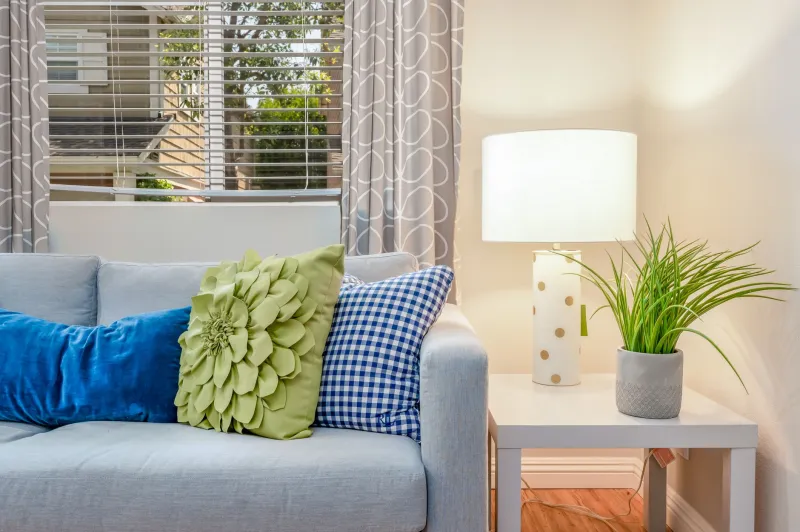
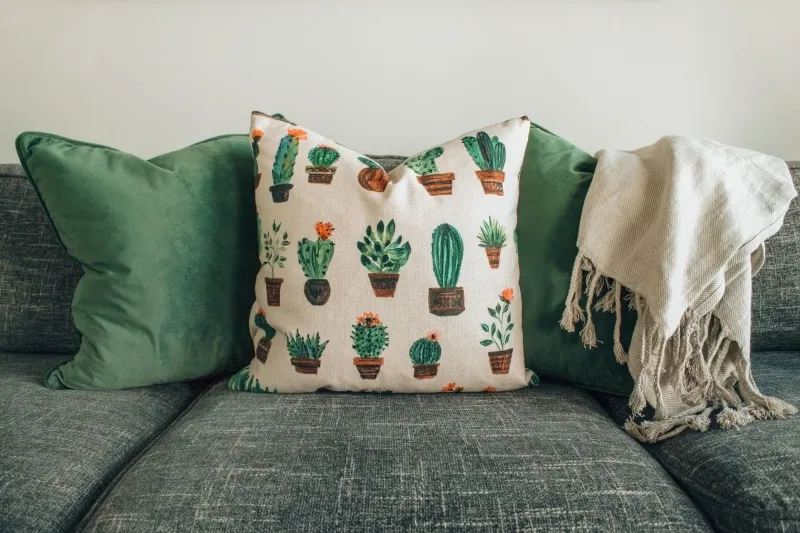
For spring, go for soft sage greens, dusty pinks, and light blues — colors that echo what's starting to bloom outside. Summer calls for something bolder: cobalt, coral, or a graphic pattern that feels energetic and sun-drenched. Come fall, warm rust, camel, and deep forest green create that cozy, harvest-season atmosphere. Winter is the time to layer in velvet or faux-fur covers in rich jewel tones — deep plum, forest blue, or classic cream.
Four sets of pillow covers, stored flat in a single bin, can transform your living room four times a year for under $200 total.
2. Lightweight Throw Blankets: Function Meets Seasonal Feeling
Budget range: $25–$80
A throw blanket draped over the arm of a sofa or folded at the foot of a bed is doing double duty — it's both decorative and genuinely useful. The seasonal swap here is mostly about weight and texture.
In spring and summer, reach for lightweight cotton or linen throws in lighter shades. They add visual softness without making the room feel heavy when it's 85 degrees outside. In fall and winter, swap in chunky knits, sherpa, or a heavier woven blanket in deeper tones. The textural shift alone signals a change in season even before you've touched anything else in the room.
Bonus: a quality throw blanket is one of those purchases where spending a little more upfront pays off. A well-made knit can last years and still look intentional every time you bring it back out.
3. Seasonal Centerpieces: The Dining Table as a Living Display
Budget range: $20–$50 per season
Your dining table or coffee table is prime real estate for seasonal storytelling, and you don't need to go overboard. A simple, rotating centerpiece — kept to a tight budget — can anchor the whole room's seasonal shift.
Spring works beautifully with a low ceramic vase and a few stems of whatever's fresh at your local grocery store or farmers market — tulips, ranunculus, or eucalyptus. Summer is the season for something more relaxed: a wooden bowl filled with lemons or limes, a cluster of pillar candles in warm amber, or a small collection of shells if you lean coastal. Fall calls for the classics — mini pumpkins, dried botanicals, pinecones, or a bundle of wheat stalks in a simple vase. Winter is where you get to play with warmth: a cluster of votives, some seasonal greenery, or a mercury glass bowl filled with ornaments.
The goal isn't a themed tablescape straight out of a craft store. It's one or two thoughtful elements that feel natural and current.
4. Curtain Panels: An Underrated Seasonal Lever
Budget range: $30–$90 per panel
This one surprises people, but swapping curtain panels seasonally is one of the highest-impact changes you can make for the price. Light, sheer panels in white or soft linen let natural light pour in during spring and summer, making rooms feel airy and open. Heavier drapes in velvet, thick cotton, or linen blends in darker tones create that warm, insulated feeling that makes a room feel genuinely cozy in fall and winter.
You don't have to swap every window in the house. Start with the room you spend the most time in — usually the living room — and see how much of a difference it makes before expanding.
5. A Single Accent Piece That Anchors the Season
Budget range: $30–$100
Every seasonal refresh benefits from one slightly more intentional piece — something that feels like a real design choice rather than just a swap. This could be a seasonal candle in a beautiful vessel that you keep out on a shelf, a small piece of seasonal wall art that rotates in and out of a gallery wall, or a decorative object that just reads as very "this time of year."
Think a hand-thrown ceramic bowl in terracotta for fall, a simple driftwood piece for summer, or a woven basket that doubles as storage in any season. These pieces don't have to be expensive, but they should feel considered.
The Storage Solution That Makes It All Work
Seasonal swapping only stays enjoyable if storing the off-season pieces doesn't become a headache. Keep it simple: one clearly labeled bin or basket per season. Flat-pack what you can, fold throws neatly, and store it somewhere accessible — a hall closet shelf, under a bed, or in a spare room corner. When the next season rolls around, you pull one bin out, put one bin away, and spend an afternoon making your home feel new again.
That's the whole system. And once you've built it out over a year or two, you'll actually start looking forward to the swap — because your home gets to tell a new story every few months without costing you a fortune to do it.