Buy Once, Keep Forever: The Furniture Pieces That Actually Hold Their Value
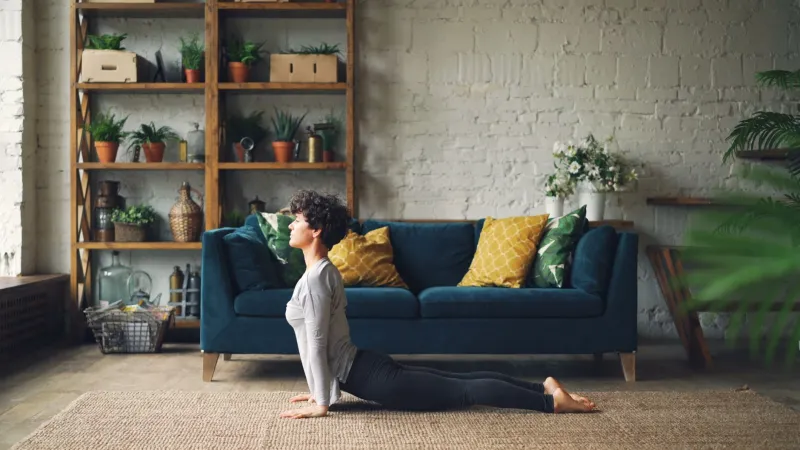
That Sofa Might Be Costing You More Than You Think
We've all been there. You spot a trendy sectional at a big-box store, the price feels reasonable, and six months later it's sagging in the middle and you're already eyeing something new. The real cost of furniture isn't just what you pay at checkout — it's what you lose when the piece stops working for you.
Here's the thing: furniture can actually hold value, sometimes even gain it, if you know what you're buying. And if you're making purchases without that knowledge, you're probably leaving serious money on the table every few years when it's time to refresh your space.
Let's break down what the resale market actually tells us about which pieces are worth splurging on and which ones are basically disposable.
The Pieces That Consistently Hold Their Worth
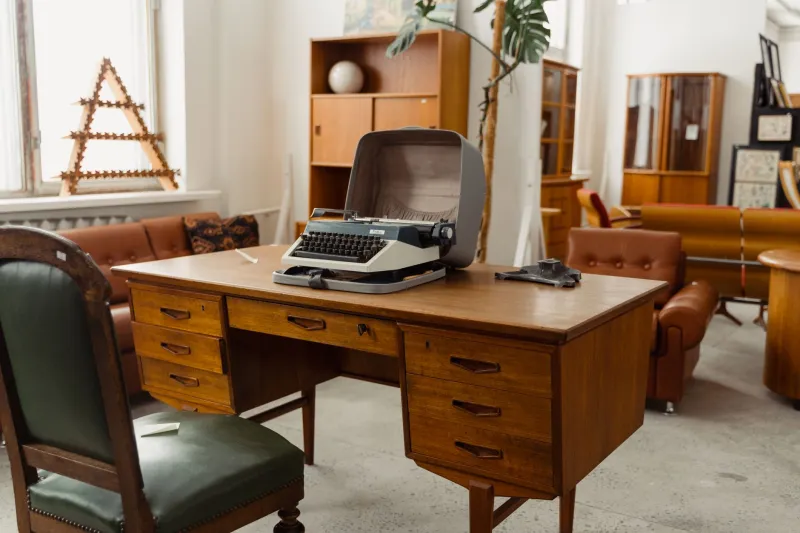
Solid wood is almost always a safe bet. Whether it's a mid-century walnut credenza, a farmhouse oak dining table, or a craftsman-style dresser, solid hardwood furniture has a proven track record on resale platforms like Chairish, Facebook Marketplace, and 1stDibs. A well-maintained solid walnut dining table that cost $1,200 new can often resell for $600–$900 years later — especially if it carries any vintage character.
Comparison? A particle board or MDF piece from a flat-pack retailer might resell for $40 on a good day. That's not an exaggeration.
Mid-century modern pieces are practically a currency of their own. The design movement from roughly the 1950s through the 1970s has maintained consistent demand in the US resale market for over two decades now. Authentic pieces from makers like Herman Miller, Knoll, or even lesser-known regional furniture makers from that era regularly command multiples of their original price. Even well-made reproductions in that style tend to hold value better than trend-chasing alternatives.
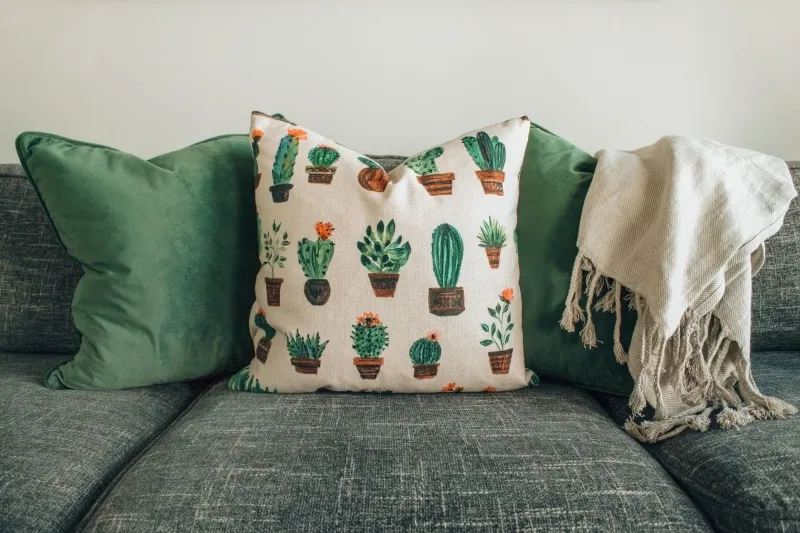
Upholstered pieces from quality brands do surprisingly well — with caveats. A sofa from a reputable maker like Restoration Hardware, Pottery Barn, or Room & Board can retain 30–50% of its original value if the frame is solid and the fabric is in good condition. The caveat is fabric: bold prints, ultra-trendy colors, and unusual textures can tank resale value fast. Neutral upholstery in durable fabrics like linen, leather, or performance velvet tends to age far better in the eyes of buyers.
What Loses Value Almost Immediately
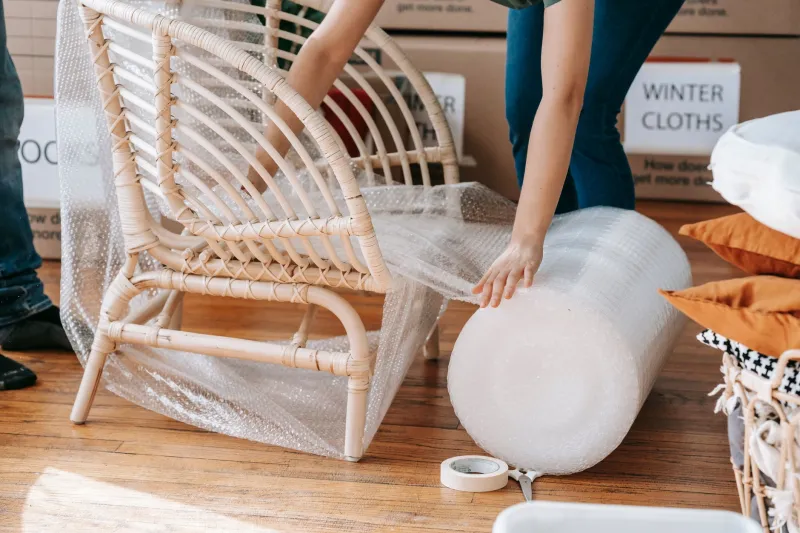
Trend-driven furniture is the biggest culprit. That rattan everything phase? The all-gray everything era? The chunky-leg obsession? These pieces spike in popularity, flood the market, and then crater in resale value once the next wave hits. Buying heavily into any single trend is essentially paying a premium for something that will feel dated within a few years.
Flat-pack and fast-furniture items rarely recover more than 10–20% of retail value, and that's being generous. The materials simply don't age well, and buyers know it. There's nothing wrong with buying these pieces for a first apartment or a temporary situation — just go in knowing they're a short-term solution, not an investment.
Novelty or highly personalized pieces — custom paint colors, unusual dimensions, very specific aesthetic choices — can be beautiful in your home and nearly impossible to sell. The more specific the piece, the smaller the pool of buyers willing to pay for it secondhand.
The Psychology of Overspending on Trends
There's a reason furniture brands push seasonal looks so hard. Trend cycles create urgency, and urgency makes us spend without thinking. When a particular style is everywhere — in every magazine, every Instagram feed, every showroom — it creates the feeling that you need it now, before it's gone.
But here's the irony: the pieces that feel most urgent to buy are often the ones with the shortest shelf life in both style and resale value. The less a piece is tied to a specific moment in time, the more broadly appealing it will be to future buyers.
A good rule of thumb: if you saw it featured as a trend piece in a major publication, give it six months. If you still love it, buy it. Most of the time, the urgency fades with the trend.
How to Build a Home That Pays You Back
Thinking about your home as a collection of assets rather than just a space to fill changes how you shop. Here are a few practical moves:
-
Anchor your space with investment pieces. Your sofa, dining table, and bed frame are the workhorses of your home. These are worth spending on, because they'll either hold value or last long enough that you won't need to replace them.
-
Use trend-driven items in low-commitment ways. Accent pillows, throws, small decor pieces, and lamps are where you can afford to follow trends. They're inexpensive, easy to swap, and don't define the room the way larger pieces do.
-
Shop vintage before you shop new. The resale market in the US has exploded in the last decade, and the quality of what's available is genuinely impressive. A vintage piece that's already survived 30 years has proven it can go another 30. That's a track record no new piece can match.
-
Think about neutral classics when buying upholstered goods. A well-made sofa in a warm neutral will look good in almost any space, will appeal to almost any future buyer, and won't feel dated in five years.
The Bottom Line
Furniture doesn't have to be a money pit. When you understand what the resale market rewards — solid materials, timeless design, quality construction, and versatile aesthetics — you can make purchasing decisions that serve your home and your wallet over the long haul. The goal isn't to turn your living room into an investment portfolio. It's to stop throwing money away on pieces that won't last, and start building a home that grows in value along with you.