Old Souls, New Spaces: The Art of Mixing Vintage Pieces into a Modern Home
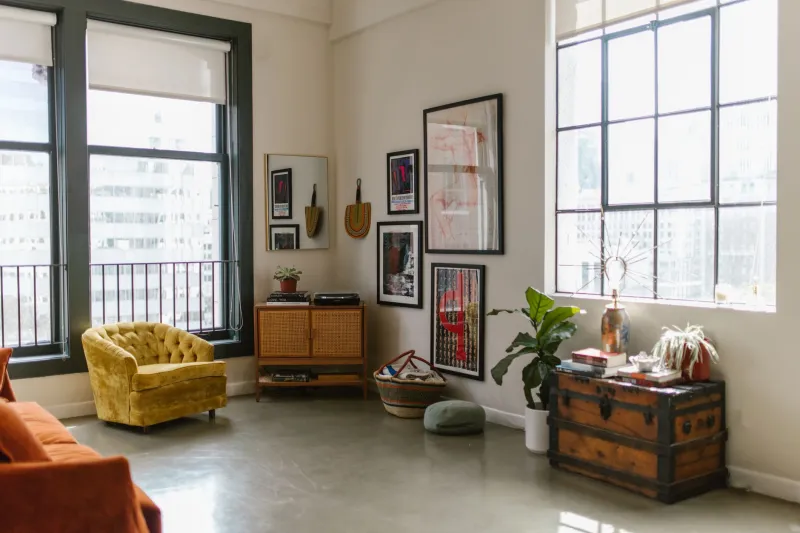
There's something deeply satisfying about a home that doesn't look like it was assembled in an afternoon from a single catalog. When a space has layers — a mid-century side table here, a weathered farmhouse bench there, a sleek contemporary sofa anchoring it all — it feels lived in. It feels real. It tells a story.
But here's the honest truth: mixing vintage and modern design is one of those things that looks effortless when it works and chaotic when it doesn't. The difference between a curated, character-rich room and one that feels like a Goodwill overflow section often comes down to a few key decisions. Let's walk through how to make those decisions with confidence.
Why Vintage Pieces Hit Different
Before we get into the how, it's worth understanding the why. There's actual psychology behind our attachment to older objects. Researchers call it the "nostalgia effect" — the emotional warmth we feel toward things that connect us to a personal past or a romanticized era. When a piece of furniture carries history (whether it's your history or just the patina of someone else's story), it adds emotional texture to a room that brand-new furniture simply can't replicate.
That's not just sentimental fluff. Interior designers have long known that rooms layered with objects of varying ages feel more authentic and inviting. They signal that someone actually lives there — that the space evolved organically rather than being staged for a photo shoot.
The First Question: Does It Elevate or Overwhelm?
Not every vintage piece deserves a spot in your living room, and that's okay. The key is learning to distinguish between items that anchor a space and ones that just add visual noise.
Ask yourself a few things before you commit:
- Does it have a strong silhouette? Vintage pieces with clean, distinctive lines — think a tufted Chesterfield sofa or a Danish modern credenza — tend to integrate more easily than overly ornate items with lots of fussy detail.
- Is the scale right? A massive Victorian armoire in a 400-square-foot apartment isn't charming — it's suffocating. Always consider proportion relative to the room and your other furniture.
- Can it earn its keep functionally? The best vintage pieces aren't just decorative. A refurbished mid-century bar cart, an antique trunk used as a coffee table, a vintage ladder repurposed as a blanket rack — these items pull double duty and justify their presence.
- Would you love it even if it weren't old? If the honest answer is no, it might be nostalgia talking rather than good design instinct.
The Styling Principles That Keep It Cohesive
Once you've identified your vintage heroes, the real work is integration. Here's how to blend without blending in (meaning, you want the pieces to stand out intentionally, not disappear into clutter).
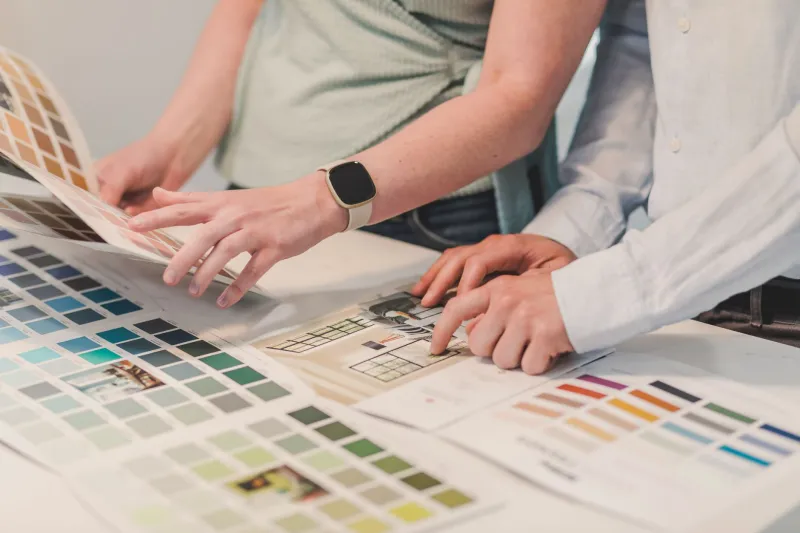
Stick to a consistent color story. This is probably the single most powerful tool you have. If your vintage piece is a warm walnut wood, echo that warmth through throw pillows, a rug, or picture frames elsewhere in the room. Color continuity makes even wildly different styles feel like they belong together.
Mix metals and materials deliberately. A brass vintage lamp next to a matte black modern bookshelf works because the contrast is intentional. What doesn't work is five different metal finishes competing for attention. Pick one or two and repeat them.
Let one era lead. Your room should have a primary design direction — whether that's modern, transitional, or something else — and vintage pieces should play a supporting role. Think of them as the punctuation in a sentence, not the whole paragraph.
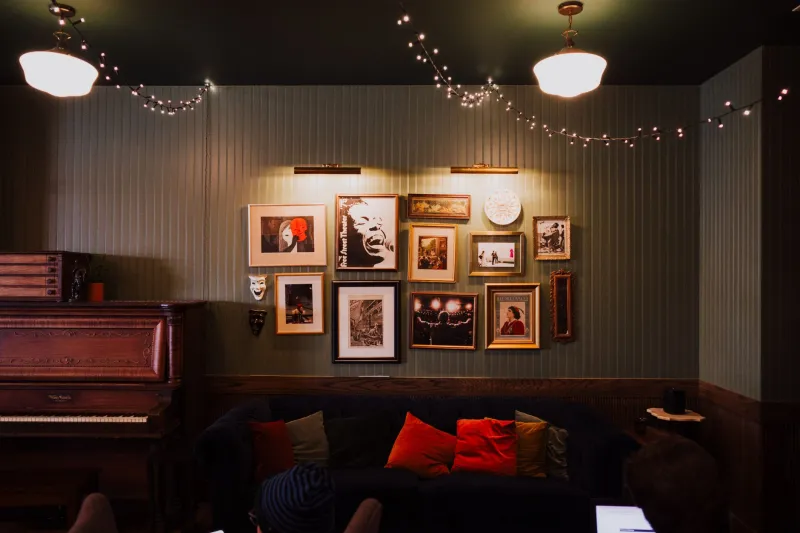
Give vintage pieces breathing room. Resist the urge to cluster all your secondhand finds together. Spread them out so each one gets its own moment. A vintage piece surrounded by cleaner, more contemporary elements actually pops more than it would surrounded by other old stuff.
Inherited Pieces: The Sentimental Wild Card
Family heirlooms come with an added layer of complication — emotional obligation. Maybe your mom's antique writing desk isn't exactly your style, but getting rid of it feels wrong. Here's a reframe: instead of trying to hide the piece, feature it.
Give it a prominent spot and style around it rather than trying to minimize it. A fresh coat of paint in a color that works with your existing palette can modernize almost any wood piece. Swap out dated hardware for something more contemporary. Reupholster a tired chair in a fabric that fits your current aesthetic. You're not erasing its history — you're continuing it.
The Flea Market Mindset
If you're building your vintage collection from scratch, flea markets, estate sales, and antique shops across the country are goldmines — but they reward patience and a clear vision. Before you go, take a photo of your living room on your phone and jot down the dimensions of any gaps you're looking to fill. Knowing you need a side table that's roughly 24 inches tall and works with a warm color palette keeps you from impulse-buying a six-foot steamer trunk just because it's a great deal.
Some of the best finds for blending with modern spaces: ceramic lamps, wooden crates and boxes, woven baskets, framed vintage prints, and simple upholstered pieces that can be refreshed with new fabric.
A Home That Feels Like You
At the end of the day, the homes that feel the most beautiful and livable aren't the ones that followed every design rule perfectly. They're the ones where you can sense the person who lives there — their travels, their family, their taste, their weird obsession with a particular decade of furniture. Vintage pieces are one of the most powerful ways to inject that kind of personality into a space.
The goal isn't a showroom. It's a home. And the best homes have stories written into every corner — including the ones that started long before you moved in.