Your Home Has a Story to Tell — Here's How to Let It Speak
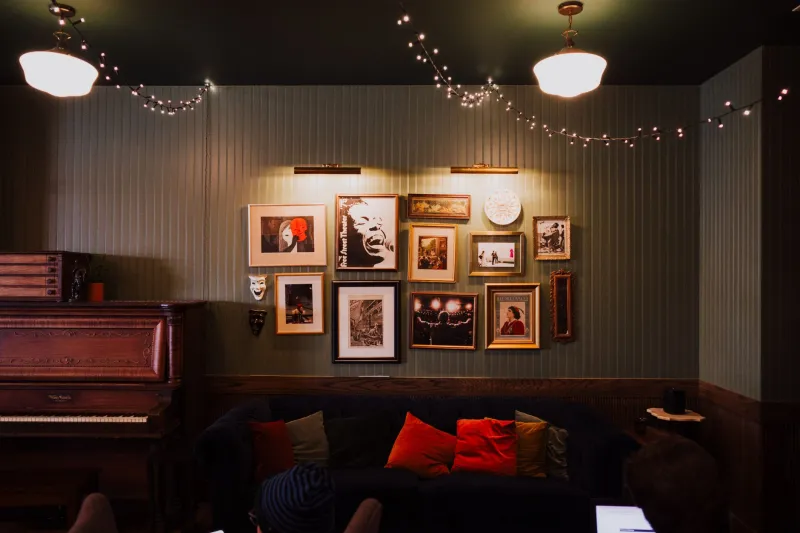
Walk into a stranger's home and you can learn a surprising amount about them within the first thirty seconds. The worn leather armchair angled toward a bookshelf packed with dog-eared paperbacks. The gallery wall layered with road trip snapshots and a framed print from a city they once lived in. The dining table that's clearly seen a thousand Sunday dinners. These aren't decorating accidents — they're chapters.
The truth is, most of us spend more time curating our Instagram feeds than we do curating our actual living spaces. We scroll through Pinterest boards, bookmark "minimalist neutral living rooms," and end up with a home that looks like a furniture showroom — pretty, but strangely hollow. Generic. Forgettable.
At House of Living, we believe your home should feel like you — not a catalog page. So let's talk about how to get there.
Why Design Psychology Actually Matters
Before we get into the practical stuff, it helps to understand why our environments affect us so deeply. Environmental psychologists have long studied the relationship between our physical spaces and our emotional well-being. Dr. Sally Augustin, author of Place Advantage, found that the objects we surround ourselves with directly influence our mood, our sense of identity, and even our productivity.
When your home reflects your authentic self, something shifts. You feel more relaxed. More grounded. There's a sense of belonging that goes beyond simply having a roof over your head. Conversely, living in a space that feels disconnected from your personality — even a beautifully decorated one — can feel oddly unsettling, like wearing someone else's clothes.
The goal, then, isn't to have a stylish home. It's to have a meaningful one.
Start With the Questions, Not the Shopping Cart
Here's where most people go wrong: they start with aesthetics. They see a trending color palette or a sofa style they love online and work backward from there. Instead, try starting with a few honest questions.
What are the three most defining experiences of your life so far? A childhood spent near the ocean. Years living abroad. A long-running love of music. These aren't just memories — they're design cues.
What do you want to feel when you walk through your front door? Calm? Energized? Inspired? Cozy? Your answer will shape everything from your lighting choices to your color palette.
What do you own that you'd never give away? Those objects — the ones with real emotional weight — are your starting points. Design around them, not in spite of them.
Take Marcus, a 38-year-old architect from Chicago who moved into a new condo after a divorce. He was tempted to start fresh with an entirely new aesthetic, but when we talked through his process, he kept coming back to two things: his late father's drafting tools, now framed and mounted above his desk, and a collection of travel-worn maps from road trips he'd taken in his twenties. Those two anchors became the foundation of his entire home — warm industrial tones, mixed metals, and a living room that felt like a well-traveled workshop. Visitors always comment that the space feels "so him." That's not an accident.
The Layering Method: Building Meaning Into Every Room
Once you've done the reflective work, the fun begins. Think of decorating your space in three distinct layers.
Layer One: The Foundation
This is your large furniture — sofas, beds, dining tables, bookshelves. These pieces should feel timeless and personally resonant. If you grew up in a home with mid-century modern furniture and that aesthetic makes you feel instantly at ease, lean into it. Don't fight your instincts because something else is trending.
Invest here. A well-made sofa or a solid wood dining table isn't just functional — it's the backbone of your room's personality. Choose pieces that age gracefully and that you can genuinely imagine living with for a decade.
Layer Two: The Personality Pieces
These are the items that carry your specific story — vintage finds, handmade objects, pieces collected during travel, art that genuinely moves you. This layer is where generic design goes to die and personal style is born.
Don't be afraid of mixing. A mid-century credenza paired with a traditional Persian rug and a modern abstract painting isn't a design mistake — it's a conversation. It says, "I've lived a layered life and my home reflects that."
Sarah, a teacher from Austin, Texas, built her living room around a collection of hand-thrown pottery she'd accumulated over years of visiting local craft fairs. The earthy tones and organic shapes set the entire color direction for the room. "I never started with a color palette," she told us. "I started with the things I loved, and the palette found itself."
Layer Three: The Details
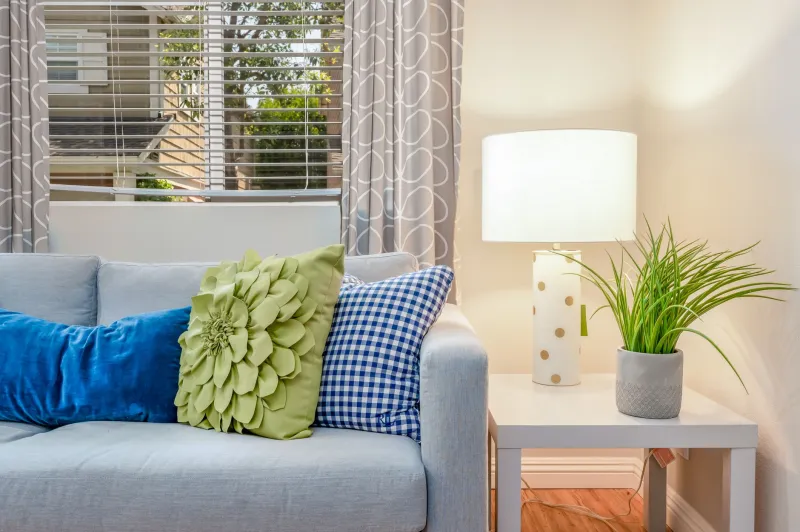
This is where texture, light, and scent come in. A chunky knit throw. A cluster of candles in your favorite fragrance. Throw pillows in a fabric that makes you want to touch them. Plants that need tending — because caring for living things says something about who you are too.
Lighting, especially, is criminally underestimated. Swap out harsh overhead fixtures for layered lighting — floor lamps, table lamps, wall sconces — and watch how completely a room transforms. Warm light doesn't just look better; it feels better.
Breaking Free From Trend Fatigue
Here's a gentle reality check: trends are designed to make you feel like your home is out of date so you'll buy new things. Cottagecore, dark academia, coastal grandmother — these aesthetics have their appeal, but if you're decorating to keep up with what's popular rather than what resonates, you'll be redecorating again in two years.
The most enduring, beautiful homes we've ever seen aren't trendy. They're collected. They feel like they've evolved over time, with pieces that arrived at different chapters of life and somehow work together because they're all connected by the same thread: the person who chose them.
A Few Practical Starting Points
If you're ready to start telling your story through your space, here are a few tangible first steps:
- Audit what you have. Before buying anything new, identify the pieces you already own that feel genuinely meaningful. Build from those.
- Create a personal mood board. Not a Pinterest board full of other people's homes — a board that includes photos of places you love, colors from memories, textures that bring you comfort.
- Shop with intention, not impulse. Before purchasing any new piece, ask: does this feel like me, or does it just look nice?
- Give yourself permission to be eclectic. Cohesion doesn't mean matching. It means connected. Trust that your personal taste is the connecting thread.
Your home is the longest-running story you'll ever tell. Make it one worth reading.