Paint It Right: What Your Wall Colors Are Secretly Doing to Your Brain

You picked that soft sage green because it looked pretty on the swatch. But here's the thing — it may also be the reason you feel weirdly calm every time you walk into your living room. Color isn't just aesthetic. It's psychological. And the palette you choose for your home is doing a whole lot more than decorating your walls.
Let's break down the science — and the practical takeaways — so you can make color choices that genuinely support the way you want to feel in every room.
Why Color Affects Us More Than We Think
Researchers have been studying color psychology for decades, and the findings are pretty compelling. Color stimulates different parts of the brain, influences hormone production, and can even affect heart rate and appetite. A 2014 study published in Frontiers in Psychology found that environmental color has measurable effects on emotional state and cognitive performance — which means your home's palette isn't neutral. It's active.
The tricky part? Color responses are partly universal and partly personal. Red tends to raise energy levels across the board, but someone who associates blue with a childhood bedroom might feel nostalgic rather than calm when surrounded by it. That's why understanding the general principles — and then layering in your own reactions — is the smartest way to approach a room repaint.
Bedroom Blues (and Greens, and Lavenders)
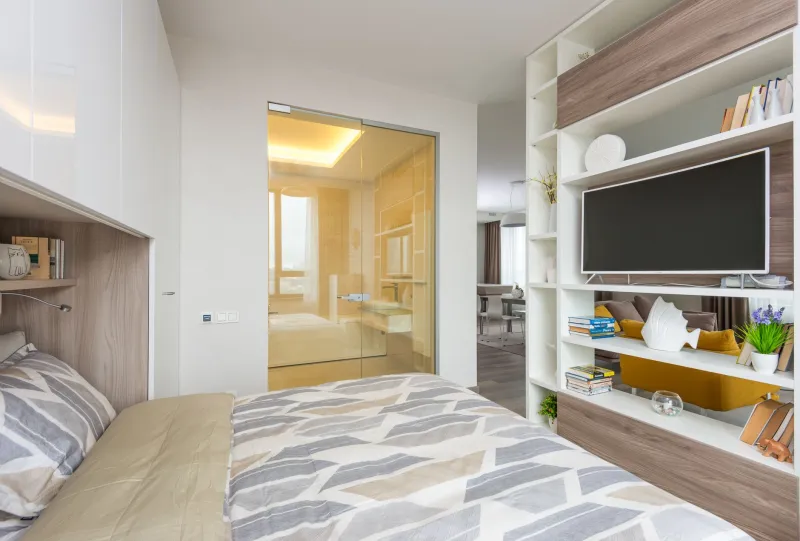
If there's one room where color psychology really earns its keep, it's the bedroom. This is your recovery space — where your nervous system is supposed to downshift and your body prepares for sleep. Colors that support that process tend to fall in the cool, muted end of the spectrum.
Blue is the classic sleep-friendly choice, and for good reason. Studies have shown that people in blue rooms report longer, more restful sleep. Opt for dusty or slate blues rather than bright, electric ones — you want the color to feel like dusk, not midday.
Soft greens hit the same note. They evoke nature, reduce anxiety, and create a sense of balance. Think eucalyptus, sage, or celadon rather than anything too saturated.
Lavender and soft lilac are underrated sleep supporters. They carry the calming properties of blue with a gentle warmth that keeps the room from feeling cold.
At House of Living, our Calm Collection of bedding, curtains, and accent pieces is built around exactly these tones — so your wall color and your furnishings can work together instead of fighting each other.
Energize Your Home Office Without Going Overboard
The home office is one of the trickiest rooms to get right. You need enough stimulation to stay focused, but too much visual energy and you'll feel scattered by noon.
Yellow is the brain's favorite color for creativity and optimism. A warm, buttery yellow on an accent wall can boost problem-solving and keep your mood lifted through back-to-back Zoom calls. Go too bright, though, and it starts to feel anxious and chaotic — so keep it muted.
Terracotta and warm orange tones have had a major moment in American interiors over the last few years, and they work beautifully in a workspace. They're grounding and energizing without the aggression of red.
Deep greens — think forest, hunter, or olive — are increasingly popular for home offices because they signal focus and stability. They're also easy on the eyes during long screen sessions, which is a bonus most people don't consider.
Pair your office wall color with intentional furniture choices. A structured desk chair in a complementary neutral, warm wood shelving, and task lighting that matches your color temperature can turn a spare bedroom into a genuinely productive space. Browse our Work From Home Essentials collection for pieces designed with both function and color harmony in mind.
Living Rooms: The Social Spectrum
Your living room is where you host, unwind, and spend the most varied range of time — which means the color stakes are higher here than anywhere else. You want something that flexes.
Warm whites and creams are perennially popular for a reason: they're adaptable. They make spaces feel open and bright without imposing a specific mood. The key is to go warm (think linen, ivory, or alabaster) rather than stark white, which can feel clinical in a home setting.
Warm neutrals — taupes, greiges, and warm grays — have dominated American living rooms for the past decade because they're genuinely versatile. They create a backdrop that lets your furniture and art do the talking.
If you want something with a little more personality, consider a muted terracotta or clay for a cozy, inviting feel, or a soft dusty blue-green for a room that feels collected and calm without being cold.
Kitchen and Dining: Appetite and Energy
Here's a fun one: color affects how you eat. Warm reds and oranges are famously appetite-stimulating — which is why so many fast-food chains use them. In a home kitchen or dining room, a terracotta accent wall or warm red backsplash can make meals feel more convivial and festive.
If you're going for a more serene, mindful eating environment, cool blues actually suppress appetite slightly and encourage slower, more intentional eating. Not the right call for a family kitchen, but potentially interesting for a dining space where you want long, leisurely dinners.
A Few Practical Rules Before You Pick Up a Brush
- Test in your actual light. A color swatch at the hardware store looks completely different under your home's specific lighting conditions. Always paint a large test patch and live with it for a few days before committing.
- Consider the flow between rooms. If you can see from your living room into your kitchen, those colors need to have a relationship — even if they're different.
- Finish matters. Matte finishes feel softer and more relaxed; eggshell and satin are more reflective and energizing. The same color in a different finish reads completely differently on the wall.
- You don't have to paint everything. An accent wall, a painted ceiling, or even painted built-ins can introduce color psychology benefits without overwhelming a room.
Your home is where you live your whole life — the mornings, the late nights, the work sprints and the slow Sundays. Getting the color right isn't about following trends. It's about understanding what you need from each space and choosing a palette that quietly delivers it, day after day.
Ready to build a room around the right color story? Explore House of Living's curated collections, organized by mood and tone, to find furnishings that bring your palette to life.