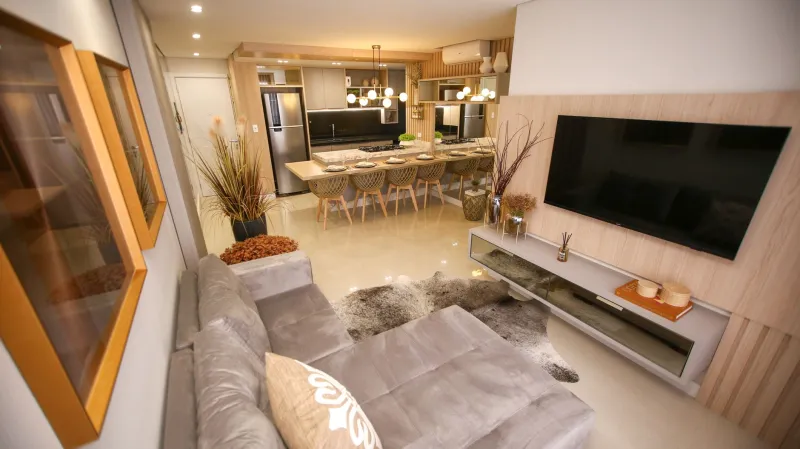
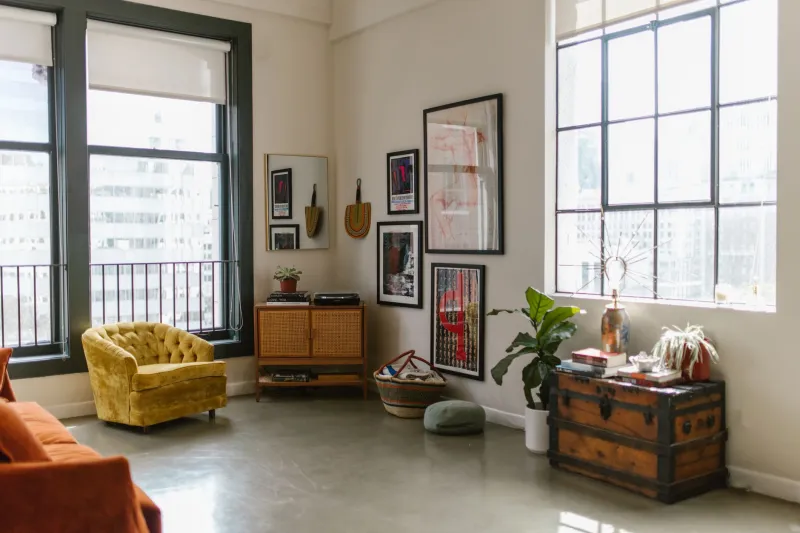
The Furniture You Can't Touch: When Your Dream Pieces Start Running Your Life

You finally bought it. The sofa you bookmarked eighteen months ago, the one that cost more than a month's rent. It arrived on a Tuesday, and for about forty-eight hours, your living room felt like a magazine spread come to life.
Then the anxiety started.
Now you're reminding your kids not to eat near it. You've banned the dog from the room. You catch yourself hovering when guests sit down, silently calculating the odds of a wine spill. Somewhere between the purchase and the delivery, the sofa stopped being yours and started owning you.
This is the comfort paradox — and it's quietly stealing peace of mind from a whole lot of American homes.
The Gap Between Aspiration and Real Life
There's nothing wrong with wanting beautiful things. Design-forward furniture, investment pieces, heirloom-quality materials — these are genuinely worthwhile goals. The problem isn't the purchase. It's what happens after, when the fantasy version of your life (the one where you host effortless dinner parties and your floors are perpetually clean) collides with the actual version — the one with toddlers, takeout containers, and tired Tuesday evenings.
Aspiration purchases are bought for a life we're reaching toward. But we live in the life we already have. When those two things don't match up, the furniture becomes a daily reminder of the gap between them.
Psychologists call this a form of cognitive dissonance — the discomfort of holding two conflicting realities at once. In this case: I spent a lot of money on this piece and I can't actually relax around it. The brain doesn't love that tension, and it has to go somewhere.
Usually, it goes straight to stress.
When "Investment Piece" Becomes Emotional Debt
There's a particular kind of guilt that comes with expensive furniture you're not fully using. It's not quite buyer's remorse — you still love how it looks. It's more like a low-grade obligation. You feel like you owe the piece something. A certain level of care. A certain kind of lifestyle to justify it.
This shows up in subtle ways. You start staging your living room before people come over rather than just tidying it. You feel vaguely embarrassed when someone sits on your linen sofa in jeans fresh from the gym. You keep the throw pillows arranged just so, even when no one's coming over, because disturbing them feels like a small failure.
None of this is dramatic. It's just friction — the kind that slowly makes your home feel more like a showroom than a sanctuary.
And here's the thing about showrooms: they're designed to be looked at, not lived in.
The Instagram Effect on How We Buy
Social media has genuinely shifted how many of us make home decisions. We're not just shopping for furniture anymore — we're shopping for a certain visual identity, a lifestyle aesthetic we want to project. And platforms like Instagram and Pinterest are exceptionally good at selling the look of a life without any of the texture of actually living it.
The result is that a lot of people end up with homes that photograph beautifully and feel slightly wrong to inhabit. Everything is calibrated for the image rather than the experience. Rooms that look open and airy in photos can feel cold and uninviting in real life. Furniture that pops in a styled shoot can be deeply uncomfortable to sit in for three hours on a Sunday morning.
This isn't a design failure. It's a values misalignment — and recognizing it is the first step toward fixing it.
Permission to Actually Live Here
Here's something worth saying plainly: your home is for you. Not for your followers, not for your guests, not for the version of yourself that exists only in aspirational mood boards. For you — the actual, current, Tuesday-night version of you who just wants to decompress on the couch without doing a mental inventory of fabric care instructions.
That doesn't mean you have to abandon beautiful things. It means you get to be more intentional about what kind of beautiful you're choosing.
Some questions worth sitting with:
- Do I actually use this piece, or do I work around it? Furniture that gets avoided is furniture that's failing at its primary job.
- Does it make my daily life easier or harder? A stunning dining table that requires special cleaning products and constant vigilance isn't an asset — it's a chore.
- Would I feel relieved or sad if it were gone? Relief is information worth listening to.
Redefining What "Worth It" Actually Means
The most expensive piece in your home isn't necessarily the one with the highest price tag. It's the one that costs you the most in daily mental energy — the constant maintenance, the anxiety, the way it quietly reshapes your behavior in your own space.
Real value in home furnishings comes from use, not display. A well-worn leather chair that your whole family piles into on movie nights is worth infinitely more than a pristine accent chair nobody sits in. A dining table with a few scratches from years of actual meals is richer than one that's been carefully protected from the very life it was meant to host.
This isn't an argument against quality. It's an argument for choosing quality that can take a life — that's designed to be used hard and loved well, rather than preserved behind an invisible velvet rope.
Reclaiming Your Space (and Your Sanity)
If some of this is landing a little close to home, you don't have to overhaul everything. Start smaller.
Give yourself permission to actually use the nice things. Put the fancy candles out and light them on a Wednesday. Sit in the chair that's "for guests." Let the kids eat dinner at the good table. The point of beautiful things is the joy they bring to daily life — not the pristine condition they're preserved in.
And if there are pieces in your home that genuinely don't work for how you live — that create more stress than they relieve — it might be worth asking whether they belong in this chapter of your life at all. Living beautifully doesn't mean living perfectly. It means building a home that actually fits the life you're living right now, not the one you're performing for everyone else.
Your home should feel like a relief to walk into. That's the whole point.