When Your Dream Sofa Becomes a Do-Not-Touch Zone: Breaking Free from Furniture Anxiety
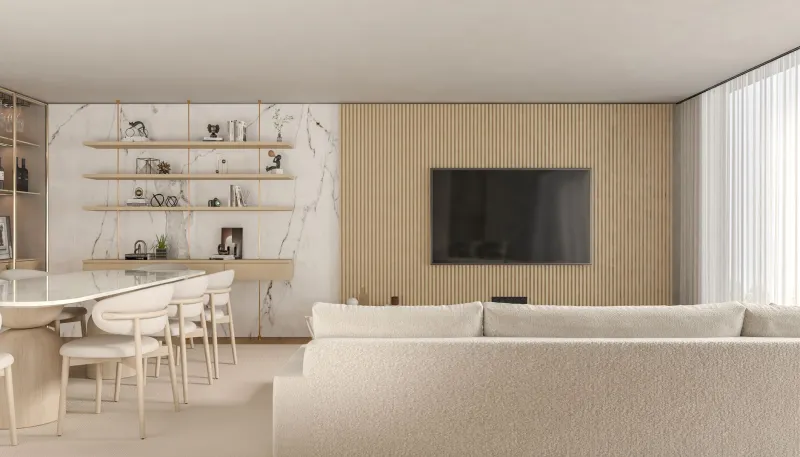
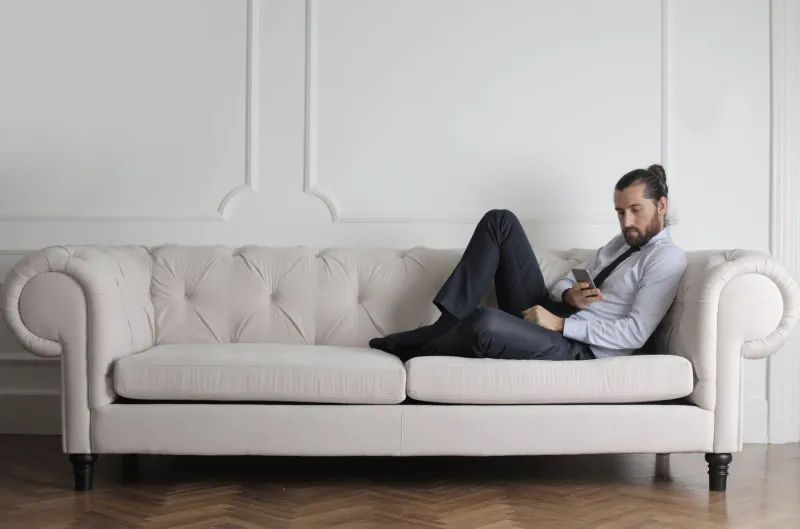
You did everything right. You researched for months, compared fabrics, read approximately four hundred reviews, and finally pulled the trigger on that stunning cream linen sofa you'd been eyeing since last winter. It arrived. It looked incredible. And then — almost immediately — you started hovering around it like a museum security guard.
No shoes near the sofa. No snacks. Definitely no kids. Maybe no guests.
If this sounds even a little bit familiar, you're not alone. There's a name for what's happening here, and it goes deeper than just being precious about your stuff. Furniture anxiety — that creeping guilt and hypervigilance that comes after a big, intentional purchase — is a real psychological phenomenon, and it has a way of sneaking up on even the most grounded, design-savvy homeowners.
The irony? The more you love a piece, the more it can start to own you.
Why Big Purchases Don't Always Feel Like Wins
Here's the thing about splurging on a statement piece: the anticipation is almost always better than the aftermath. Before the purchase, your brain is flooded with dopamine — the reward chemical that fires when we're chasing something we want. Once the item arrives and the novelty settles, a different mental process kicks in.
Psychologists call this "loss aversion," and it's powerful. Once you've spent a significant amount of money on something, your brain shifts into protection mode. The fear of losing value — through a stain, a scratch, a fading cushion — becomes more emotionally intense than the original joy of buying it. Suddenly, that $2,000 sofa isn't a source of comfort. It's a liability.
This is why some of our most deliberate, well-researched purchases end up being the ones we enjoy least. We've assigned them too much meaning, too much financial weight, and too much symbolic importance. The sofa stops being furniture. It becomes a test — of your taste, your discipline, your worthiness of nice things.
The "Museum Effect" in American Homes
Grow up in a certain kind of American household and you probably remember the living room nobody was allowed to sit in. The plastic-covered couch. The formal dining table reserved exclusively for Thanksgiving. These weren't just quirks — they were early lessons in the idea that beautiful things are meant to be preserved, not lived in.
That cultural script runs deep. And when we spend serious money on furniture as adults, those old messages resurface. We start treating our living rooms like curated galleries rather than actual spaces for actual life. The result is a home that looks stunning in photos but feels weirdly tense in person.
Here's the problem with that: a home that you're afraid to live in isn't a home. It's a stage set. And no matter how gorgeous the pieces are, a space that makes you feel anxious or restricted is failing at its most basic job.
The Real Cost of Not Enjoying What You Own
Let's talk about value for a second — not in terms of resale price, but in terms of everyday experience. If you spent $1,500 on a dining table and eat every meal at your kitchen counter because you don't want to risk a water ring, that table isn't worth $1,500 to you. It's worth nothing. Possibly less than nothing, because now it's a daily source of low-grade guilt.
This is the hidden cost of furniture anxiety: it doesn't just stop you from enjoying one piece. It spreads. You start second-guessing future purchases, defaulting to cheap items you won't feel bad about "ruining," or overcompensating by filling your space with forgettable pieces that never quite come together. Your home ends up feeling neither special nor comfortable — just expensive and stressful.
The irony of trying to protect your investment is that you often destroy it in a different way: by never actually getting a return on it.
Reframing What "Taking Care" of Your Home Actually Means
There's a difference between being thoughtful about your belongings and being controlled by them. Taking care of a beautiful piece of furniture doesn't mean quarantining it from real life — it means choosing quality materials, using appropriate cleaning products, and accepting that wear over time is part of a home's story, not a failure.
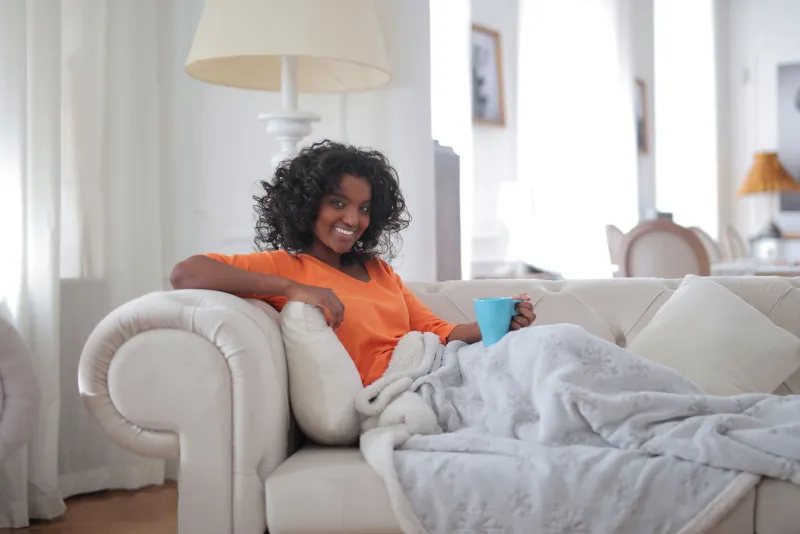
Some of the most admired interiors in the world have a lived-in quality that makes them feel genuinely inviting. A slight patina on a wood coffee table. A sofa cushion that's been squished by a hundred lazy Sunday afternoons. These aren't flaws. They're evidence of a life actually being lived, and they give a space a warmth that no amount of careful preservation can manufacture.
Designers often talk about the concept of "wabi-sabi" — a Japanese aesthetic philosophy that finds beauty in imperfection and impermanence. You don't have to fully embrace the philosophy to borrow the mindset: a small scratch on a beautiful table doesn't ruin it. It becomes part of it.
Practical Ways to Actually Use the Things You Love
Breaking out of furniture anxiety isn't just about mindset shifts — sometimes it helps to have a few concrete strategies.
Give yourself permission in small doses. If you're nervous about a new piece, start using it intentionally but casually. Sit on the sofa with a book. Have one meal at the new dining table. The more you interact with it in low-stakes ways, the less charged the object becomes.
Invest in protection without hiding the piece. A quality upholstery protector, a good furniture wax, or a stylish tray on a coffee table can give you a practical safety net without turning your home into a no-fly zone. Protecting something and enjoying it aren't mutually exclusive.
Let go of the idea of "perfect condition." If your goal is to eventually sell the piece in pristine shape, ask yourself whether that goal is actually serving your daily life. Most furniture depreciates regardless of how carefully you treat it. You might as well get the enjoyment.
Talk about it out loud. Seriously. Sometimes just naming the anxiety — "I'm being weird about this couch" — is enough to deflate it. Sharing the feeling with a partner or friend can turn a private spiral into something you can laugh about and move past.
Your Home Should Work for You
At House of Living, we genuinely believe that the best-designed spaces are the ones that feel like you — not like a catalog page or a preserved artifact. The whole point of investing in pieces you love is to surround yourself with beauty that makes daily life feel a little richer, a little more intentional.
That doesn't happen when you're tiptoeing around your own living room.
The goal isn't a perfect home. It's a home that's perfectly yours — one that holds your memories, absorbs your routines, and gets better with time rather than more fragile. The statement piece you saved up for? It was always meant to be part of your story. Let it play its role.
Sit on the sofa. Eat at the table. Light the candle you've been saving for a special occasion.
This is the occasion.