Good Furniture Gone Quiet: How to Recognize When a Piece Has Simply Run Its Course
The Furniture That Still Works — Just Not for You Anymore
There's a particular kind of furniture limbo that nobody really prepares you for. The couch isn't sagging. The dining table isn't scratched beyond recognition. The bookcase is structurally sound. And yet, every time you walk into that room, something feels slightly off — like a note played just a half-step flat.
We talk a lot about replacing furniture when it breaks down. The wobbly chair, the sofa with springs poking through the cushion, the dresser drawer that hasn't opened properly since 2019. Those are easy calls. What's harder to name is the moment a perfectly functional piece of furniture simply stops fitting your life — not with a bang, but with a slow, quiet fade.
That's the furniture expiration date nobody really talks about.
It's Not Always About Wear and Tear
Most of us have been taught to think about furniture longevity in terms of physical condition. And sure, quality matters — a solid wood frame will outlast a particleboard one, full stop. But durability is only one part of the equation.
The other part is relevance.
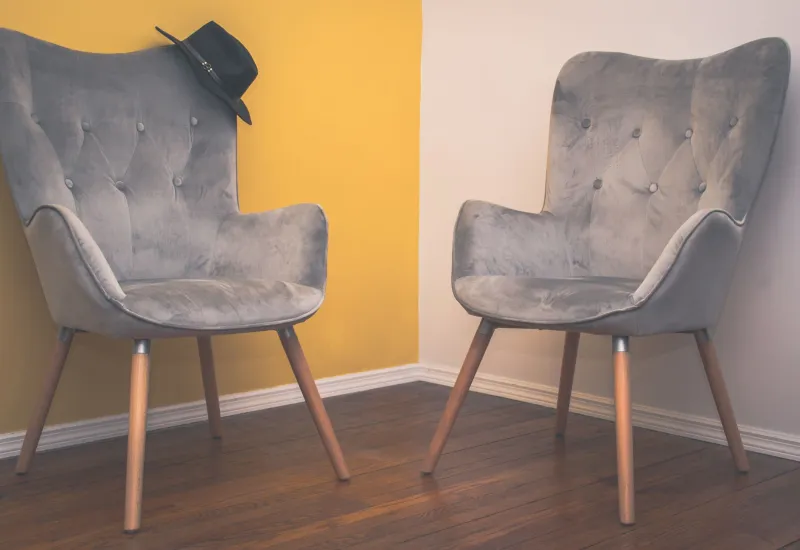
A piece of furniture can be in perfect condition and still be completely wrong for where your life is right now. Maybe you bought that oversized sectional when you were hosting game nights every weekend, and now you live alone and rarely have people over. Maybe the sleek, minimalist desk you fell in love with in your twenties feels cold and uninspiring now that you actually work from home full-time. Maybe the armchair you dragged across three states is beautiful by any objective measure — and you genuinely cannot remember the last time you sat in it.
These aren't signs of bad taste or buyer's remorse. They're signs that you've changed, and your furniture hasn't.
The Subtle Signals Worth Paying Attention To
So how do you actually know when a piece has crossed that invisible line from beloved to burdensome? It's rarely one dramatic moment. It tends to show up in small, easy-to-dismiss ways.
You rearrange around it instead of with it. When you're reconfiguring a room, do you find yourself mentally working to accommodate a particular piece rather than letting it contribute naturally to the layout? That's a signal. Furniture that still serves you tends to anchor a space. Furniture that's expired tends to anchor you in place.
You stop noticing it — or you notice it for the wrong reasons. There's a difference between furniture that fades comfortably into a room and furniture that you've started mentally editing out of your own space. If you're taking photos of your home and unconsciously cropping a piece out of the frame, that's telling you something.
It no longer fits how you actually live. Your lifestyle evolves constantly — new hobbies, new work arrangements, new people sharing your space or leaving it. A bar cart made sense when you entertained regularly. A formal dining set made sense before you started eating at the kitchen island every night. When a piece of furniture stops matching the rhythm of your actual daily life, it shifts from useful to decorative — and then from decorative to just... there.
The comfort is technically fine, but it doesn't feel good. This one's subtle. The cushions are intact, the height is standard, the material is clean. But you never quite settle into it. You sit down and almost immediately want to get up. Physical comfort and felt comfort aren't always the same thing, and furniture that used to feel like a relief can start to feel like an obligation.
The Emotional Weight of Keeping What No Longer Fits
Here's what makes this particular kind of furniture decision so sticky: the pieces that have quietly expired are often the ones with the most history attached to them.
It's the armchair you bought during a hopeful chapter of your life. The dining table that hosted years of holiday meals. The bed frame you chose together with someone who's no longer in your life. None of those associations are trivial, and dismissing them as "just sentimental" misses the point entirely.
But there's a difference between honoring the memory of a piece and letting it hold your room — and your life — hostage. A home that lives beautifully isn't a museum, and it isn't a storage unit for the person you used to be. It's a working, breathing space that reflects who you are right now.
Keeping furniture that no longer serves you because you feel guilty letting it go doesn't honor the piece. It just keeps you stuck.
Relevance Is a Legitimate Reason to Move On
One of the most liberating shifts you can make in how you think about your home is accepting that relevance is a valid expiration date. You don't need a broken leg or a stain that won't come out. You don't need to justify the decision with a practical failure.
If a piece of furniture no longer fits your body, your habits, your aesthetic, or the version of yourself you're living as right now — that's enough. Full stop.
This isn't about chasing trends or refreshing your space for the sake of it. It's about being honest with yourself about what's actually working and what's just taking up square footage.
What to Do With a Piece That's Expired
Once you've named it — once you've acknowledged that a piece has quietly stopped serving you — the question becomes what to do next.
Selling or donating is almost always the right first move. Furniture that's no longer right for your life is very often exactly right for someone else's. Facebook Marketplace, local buy-nothing groups, Craigslist, consignment shops — there are plenty of ways to pass something along rather than sending it to a landfill.
If a piece has genuine sentimental value but doesn't work in its current form, consider whether it could be repurposed. A dresser that's wrong for the bedroom might be perfect in a mudroom. A coffee table that feels out of place in the living room might work on a screened porch. Sometimes furniture doesn't expire — it just needs a new assignment.
And if it's truly done, if it's neither useful to you nor passable to someone else, let it go without ceremony. Not everything needs a meaningful send-off.
Living Beautifully Means Keeping Up with Yourself
Your home is supposed to support your life — not preserve a version of it. The furniture that made perfect sense five years ago was right for five-years-ago you, and that's genuinely worth appreciating. But living beautifully means staying honest about what you actually need now, in the space you're actually living in, as the person you've actually become.
Good furniture doesn't always fail loudly. Sometimes it just gets quiet. And when you notice that quiet, that's your cue.