Heirlooms in the Making: How to Choose Furniture Your Grandkids Will Actually Fight Over
There's a particular kind of dread that comes with cleaning out a parent's house. You walk through rooms full of perfectly decent furniture — a sectional, a dining set, a bedroom suite — and you feel nothing. No pull. No memory. Just the quiet logistical question of whether any of it fits in your car or if you're calling the donation truck.
It doesn't have to go that way.
The furniture you're buying right now has the potential to become something your kids genuinely want, argue over, and carry forward. But that outcome isn't accidental. It's built — through the choices you make, the stories you attach, and the quality you insist on. If you've ever wanted your home to outlast your mortgage in a meaningful way, this is where you start.
Why Most Furniture Doesn't Survive a Generation
Let's be honest about the furniture landscape in America right now. A significant portion of what gets sold is designed to look good in a showroom, hold up for five to seven years, and then quietly fall apart. Particle board frames, stapled corners, foam cushions that flatten in two seasons — it's all built to a price point, not a lifespan.
And even when the furniture is structurally fine, it often carries no emotional weight. If a piece was just there — something you bought to fill a space — your kids aren't going to feel a thing when they see it. Heirlooms aren't just old. They're loaded. They hold something beyond their physical form.
Building furniture that lasts emotionally means thinking about two things at once: craftsmanship and story.
Start With Construction, Not Aesthetics
Before you fall in love with a silhouette or a finish, flip the piece over. Ask questions. Do your research.
Legacy-worthy furniture almost always shares a few characteristics:
Solid wood over engineered wood. Oak, walnut, maple, cherry — these woods age beautifully and can be refinished multiple times. A walnut dining table bought today can look even better in forty years with a little care. Engineered wood can't make that promise.
Joinery over fasteners. Dovetail joints, mortise-and-tenon construction, corner blocks — these are signs that someone built a piece to last. Staples and screws are shortcuts that show up as failures over time.
Eight-way hand-tied springs in upholstered pieces. It's an old-school method, but it's still the gold standard for sofas and chairs that hold their shape for decades. If a sofa manufacturer can't tell you how the seat is constructed, that's a red flag.
Natural materials where possible. Leather ages with character. Linen softens beautifully. Wool holds its color. These materials develop a patina that synthetic fabrics simply can't replicate.
You don't have to spend a fortune, but you do have to spend intentionally. One well-made piece beats three mediocre ones every single time — both in longevity and in the story it eventually tells.
The Pieces That Tend to Become Heirlooms
Not everything in your home needs to carry generational weight. Your side tables don't need to be legacy pieces. But certain categories of furniture have a long history of becoming the things families hold onto:
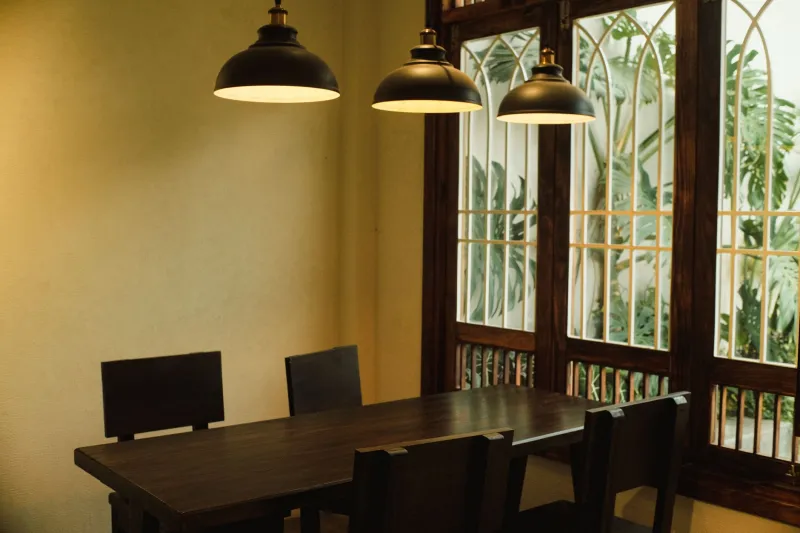
Dining tables. More than any other piece, the dining table collects memory. Holidays, homework, arguments, celebrations — it all happens here. A solid wood table with real craftsmanship becomes a kind of family archive. Choose one that can seat your family now and expand for gatherings later.
Bedroom dressers and armoires. These are intimate pieces. They hold things. They're present during quiet, private moments in a way that living room furniture isn't. A well-built dresser with dovetail drawers and solid wood construction can outlast almost everything else in a home.
Rocking chairs and reading chairs. There's something about a chair associated with comfort and care — especially one used for nursing babies or reading to kids at night — that makes it almost impossible to give away. These pieces carry the body's history in their wear.
Handcrafted or artisan pieces. Anything made by a specific person, from a specific place, with a traceable story tends to hold meaning. A dining bench made by a local woodworker, a cabinet sourced from a family-run furniture maker in North Carolina — these aren't just objects. They're connections.
Build the Story Deliberately
Here's the part most people skip: you have to actually tell the story.
Kids don't automatically know where something came from or why it matters. They need to hear it. The dining table you bought the year you moved into your first real home. The reading chair where you nursed them through fevers. The dresser you refinished yourself over a long weekend when you were just starting out.
Those details are what transform furniture from background objects into foreground memories. You don't have to be dramatic about it — just mention it. "You know, this table was the first piece of real furniture your dad and I ever bought together." That's enough. Say it once or twice over the years and it sticks.
Some families go a step further and keep a simple record — a note tucked into a drawer, a photo album that includes images of the home and its furnishings over time. It sounds old-fashioned, but it works. When your kids are sorting through your things someday, finding a handwritten note that says "This dresser came from your great-grandmother's house in Georgia — she refinished it herself in 1962" changes everything.
Design for Timelessness, Not Trends
Trends are the enemy of legacy furniture. The ultra-specific aesthetic that feels so right in 2024 may feel dated and odd in 2039. If you want pieces that survive decades and design cycles, lean toward the classic.
Clean lines. Natural finishes. Neutral or nature-inspired tones. Silhouettes that don't scream a particular decade. Think Shaker-style cabinetry, simple turned legs, unfussy upholstery. These aren't boring choices — they're enduring ones. They leave room for the piece to be styled differently over time, in different homes, by different people.
The furniture that gets donated is almost always the furniture that was too of its moment — the overstuffed sectional with the built-in cup holders, the lacquered entertainment center designed around a now-obsolete TV. Don't build your legacy around a trend.
A Different Way to Think About Furniture Shopping
Most of us shop for furniture to solve an immediate problem: we need something to sit on, something to eat at, something to sleep in. That's fine. But what if you layered a second question on top of that one?
Would I want this in my home in thirty years? Would my kids recognize the value of it?
It's not about spending more money on every single purchase. It's about being deliberate with the pieces that matter. Anchor your home with a few things built to last, built with care, and built with a story behind them. Let the rest be whatever it needs to be.
A living home isn't a showroom. It's a place where things accumulate meaning over time. The furniture you choose today is already becoming part of that story — you just get to decide what kind of story it tells.